
Cultivators are one of those implements that don’t get as much attention as rotavators or ploughs, but quietly do a lot of the work that keeps a farm running smoothly between major tillage operations. If you’re trying to understand what a cultivator actually does, which type suits your farm, or what to check before buying one, here’s a practical breakdown.
What a cultivator is actually built for
A cultivator’s job is secondary tillage — refining soil that’s already been through primary tillage (typically with a plough or rotavator), breaking up surface crusts, uprooting weeds, and preparing a fine, even seedbed. Unlike a rotavator, which aggressively mixes and pulverizes soil, a cultivator works more gently, loosening the top layer without disturbing deeper soil structure.
This makes cultivators especially useful for two ongoing tasks: seedbed preparation before sowing, and inter-row weed control once crops are already growing.
Main types of cultivators
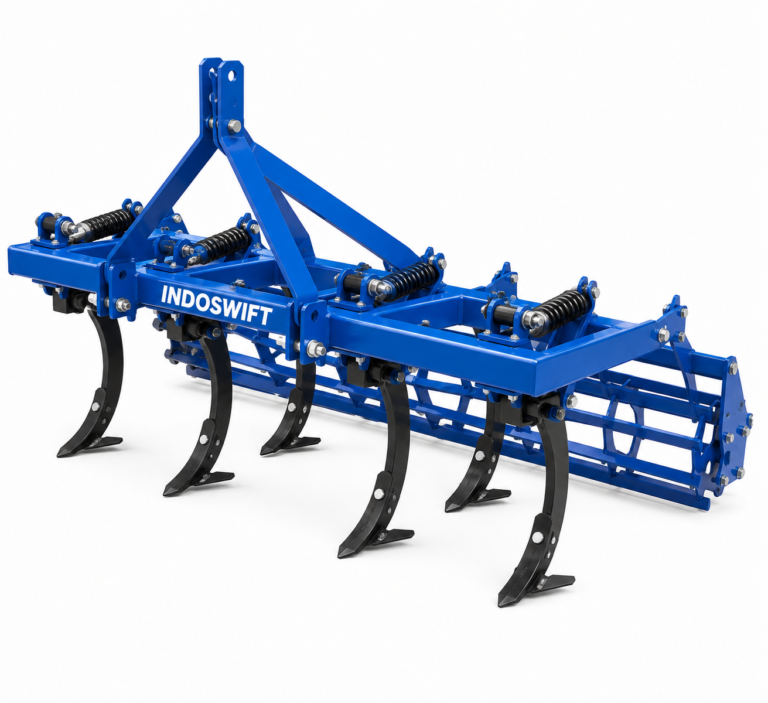
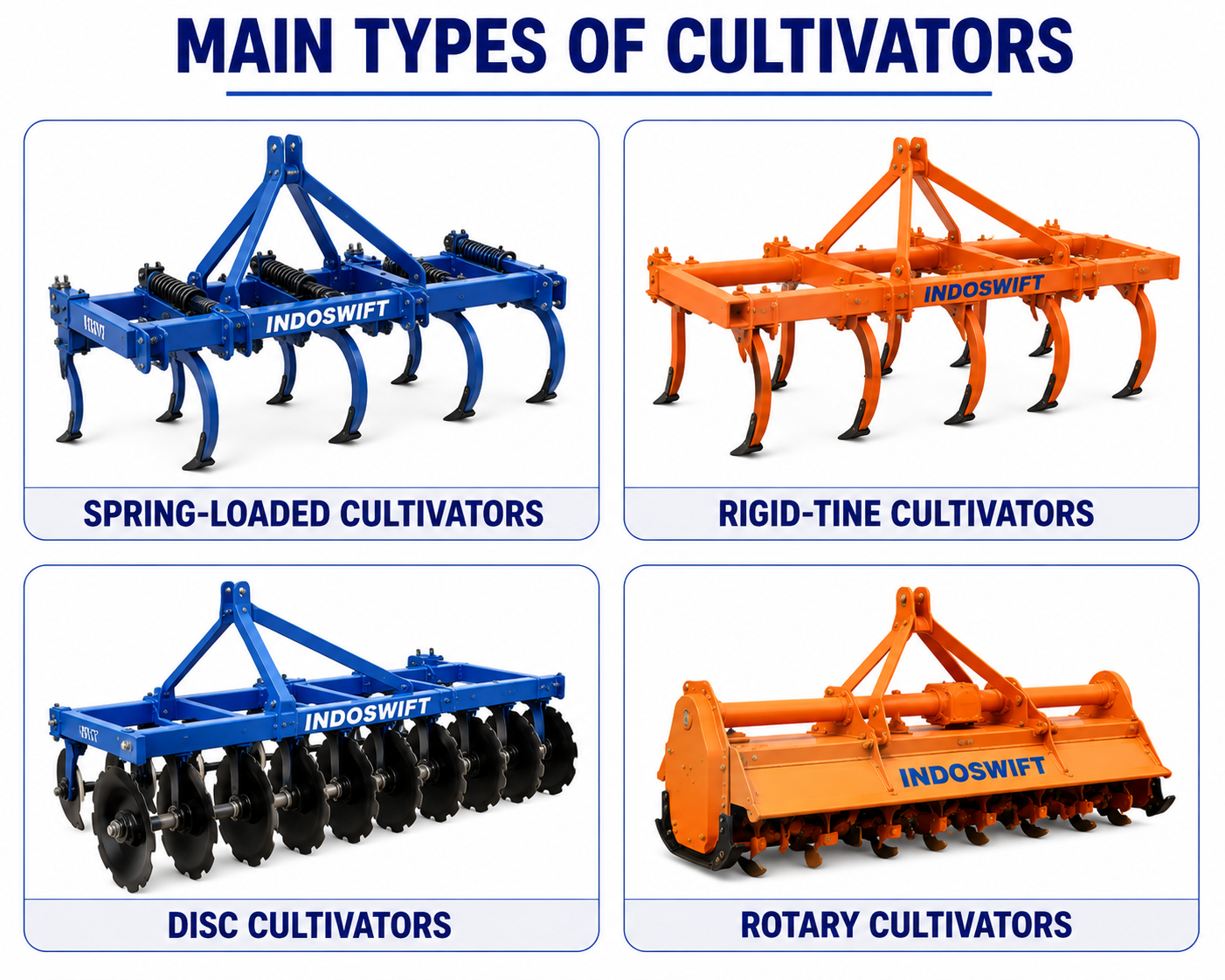
Spring-loaded (spring-tine) cultivators use flexible, curved tines that can absorb shock when they hit rocks or hard patches, making them well suited for stony or uneven fields. They’re a popular choice for general-purpose secondary tillage.
Rigid-tine cultivators use fixed, non-flexing tines for deeper, more forceful cultivation. They work well in heavier soil but are more prone to damage if they strike buried obstacles.
Disc cultivators use rotating discs instead of tines, cutting through soil and crop residue effectively. They’re often preferred where there’s significant stubble or organic matter left over from the previous crop.
Rotary cultivators sit somewhere between a standard cultivator and a rotavator, using powered rotating tines for more intensive soil breakup while still targeting the shallower depth typical of secondary tillage.
When to use a cultivator vs. other implements
A cultivator isn’t meant to replace a plough or rotavator — it’s meant to follow them. Once primary tillage has broken up and turned the soil, a cultivator refines that work: smoothing out clumps, closing air pockets, and creating the fine tilth that seeds need for good germination.
Cultivators also shine during the growing season itself, particularly for row crops. Passing a cultivator between rows helps control weeds without the need for manual labor or excessive herbicide use, while also aerating the soil around growing plants.
What to check before buying a cultivator
Tine type and spacing should match your soil condition and the crop spacing you typically use. Wider spacing suits row-crop cultivation; tighter spacing suits general seedbed preparation.
Working width needs to match your tractor’s horsepower — a cultivator that’s too wide for your tractor will struggle to maintain consistent depth and speed.
Build material and tine strength matter more than they might seem to. Lower-grade steel tines wear down or bend faster, especially in stony soil, leading to more frequent replacement and inconsistent results.
Adjustability is worth checking closely — the ability to adjust tine depth and spacing gives you flexibility to use the same implement across different fields and crop stages, rather than needing multiple specialized tools.
Maintenance tips that extend cultivator life
Regularly check tines for bending, cracking, or excessive wear, particularly after working stony or compacted ground. Keep pivot points and adjustable components greased to prevent seizing. Store the cultivator under cover when not in use to reduce rust, especially on tine tips where wear is already concentrated.
Getting the most value from a cultivator
A well-chosen cultivator earns its keep season after season — reducing weeding labor, improving seedbed quality, and extending the working life of your soil between deeper tillage operations. The key is matching tine type, width, and build quality to your actual field conditions, rather than choosing based on price alone.
If you’re sourcing cultivators or related agricultural implements, Indo Swift Exports supplies quality-checked components built for reliable field performance. Get in touch with our team to discuss your requirements.
